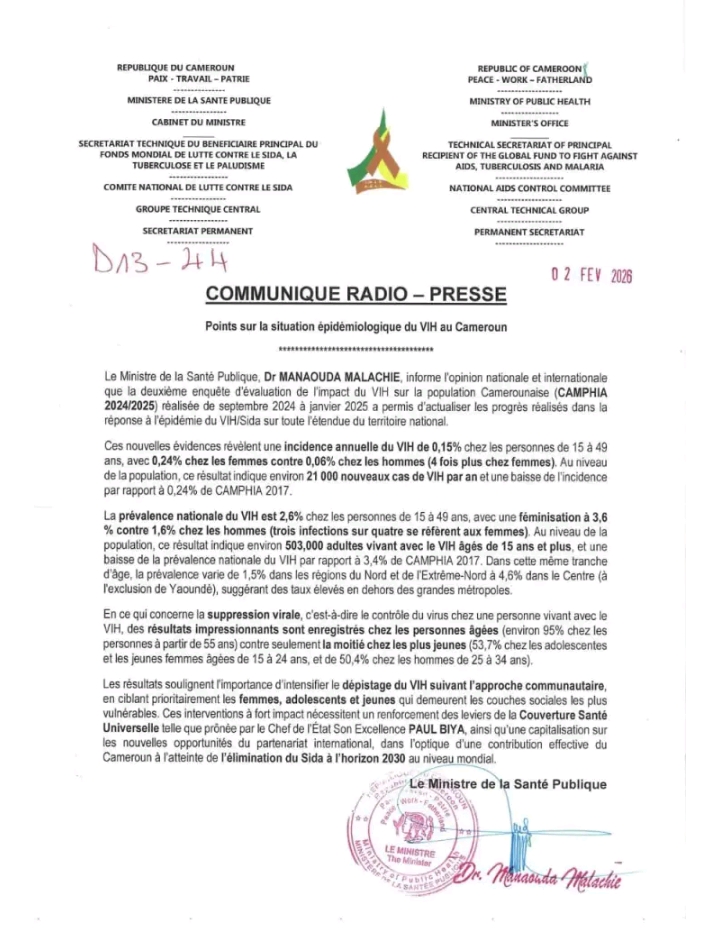
The Minister of Public Health, Dr. Manaouda Malachie, in a press release on February 2, 2026 unveiled significant findings from the recent HIV epidemiological study, CAMPHIA 2024/2025. This comprehensive survey, conducted from September 2024 to January 2025, sheds light on the current state of HIV/AIDS in the country, highlighting both progress and ongoing challenges in the fight against this epidemic.
The latest data reveals an annual HIV incidence of 0.15% among individuals aged 15 to 49, taking a closer look at gender disparities. Women bear a heavier burden, with an incidence rate of 0.24% compared to 0.06% among men. This alarming statistic indicates that women are four times more likely to be newly infected, underscoring the urgent need for targeted interventions to support this vulnerable population.
At the population level, the findings translate to approximately 21,000 new HIV cases annually, which is a notable decrease from the 0.24% incidence reported in the previous CAMPHIA study in 2017. This decline is an encouraging sign, reflecting the impact of ongoing public health initiatives and efforts to expand access to HIV prevention and treatment services.
When examining national HIV prevalence, it stands at 2.6% among those aged 15 to 49, with women displaying a higher prevalence of 3.6% compared to 1.6% for men. Approximately 503,000 adults aged 15 and over are living with HIV in Cameroon, indicating a drop from the 3.4% prevalence recorded in 2017.
Notably, prevalence rates vary significantly by region, highlighting the need for tailored approaches. Rates range from 1.5% in the North and Far North to 4.6% in the Central region, excluding major urban areas.Viral suppression rates provide a glimmer of hope: about 95% of older adults (aged 55 and over) achieve effective viral control.
However, these rates decline sharply among younger demographics, with only 53.7% of adolescent girls and young women aged 15 to 24 and 50.4% of men aged 25 to 34 maintaining viral suppression. This discrepancy emphasizes the necessity for focused efforts on younger populations to ensure they receive adequate healthcare and support.
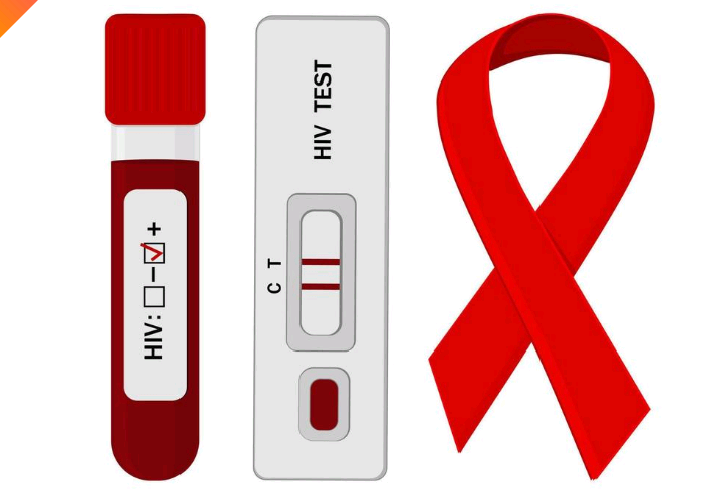
In light of these findings, the Minister of Public Health has stressed the importance of enhancing HIV testing capabilities through community-based strategies. Priority should be given to women, adolescents, and young adults, who remain the most vulnerable groups.
Furthermore, leveraging international partnerships and opportunities will play a vital role in bolstering resources and reaching the ambitious goal of eliminating AIDS by 2030. While the data from CAMPHIA 2024/2025 presents a mixed picture of progress, it also serves as a call to action for health professionals, policymakers, and organizations to unify efforts in the fight against HIV/AIDS in Cameroon.