
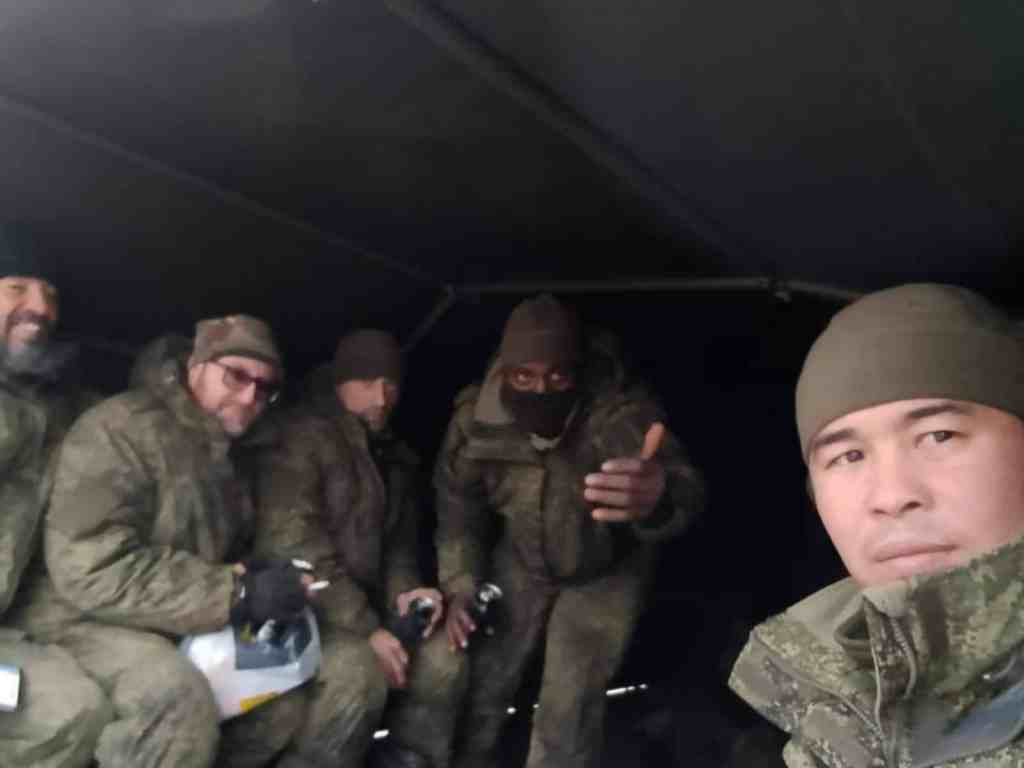
Cameron’s authorities have been confirmed the dead of sixteen Cameroonians in the ongoing Russia–Ukraine war. According to an official statement from the Ministry of External Relations, these nationals were serving as contracted soldiers alongside Russian forces. Their deaths re-ignite questions about the presence and recruitment of African fighters in the conflict that began in 2022.
The Ministry’s announcement, published on Monday, April 6,was delivered by Félix Mbayu, Minister Delegate at the Ministry of External Relations in charge of relations with the Commonwealth. In the statement Mr. Mbayu released the names of the deceased and urged their families to contact the appropriate government services to begin urgent administrative and consular procedures. The ministry emphasized the need for swift coordination to ensure families receive information and any support to which they are entitled.
Cameroon’s authorities say the deceased were part of a larger contingent of African combatants recruited to take part in the fighting. This confirmation comes amid mounting international scrutiny over mercenary recruitment networks and the movement of foreign fighters into Ukraine. Human rights groups and analysts have raised concerns for months about the legal, ethical, and security implications of contracting foreign nationals in the conflict.
The Russian Embassy has said it has taken steps to communicate with the bereaved families and to coordinate necessary consular assistance. Official channels reportedly remain open to facilitate repatriation or other procedures families may require. The embassy’s involvement underscores the diplomatic complexity when nationals serve in foreign conflicts under contract to another state or private military actors.
The revelation has prompted questions at home in Cameroon. Observers, relatives, and civil society groups are likely to press for fuller explanations about how these citizens were recruited, what protections and contracts were in place, and whether they received adequate information about the risks involved. Beyond the immediate need to support grieving families, this development highlights a broader regional and global issue: the circulation of fighters from African countries into extraterritorial conflicts.







2 Comments
https://shorturl.fm/tCFjd
https://shorturl.fm/J1sGQ